
The Landauer House’s Public Reputation
The Glass RoomThis flow traces how the building is praised, criticized, appropriated, and finally presented as a piece of public heritage.
increasing Bearing strength in each event
 decreasing
Bearing strength in each eventdecreasingA Work of Art on Display
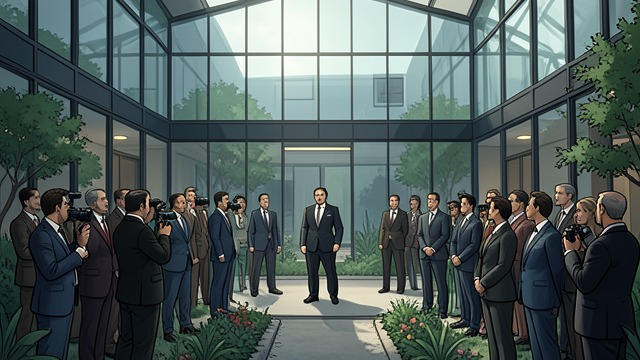
The House Becomes Famous
Guests and journalists
The housewarming draws cultural figures and journalists who treat the Glass Room as an architectural event. Rainer von Abt praises the building as a work of art that should shape the life lived within it.
Public attention arrives before the family has fully settled into its new home.
Reputation begins
The building’s reputation is created through visitors’ reactions and published accounts. Its public identity begins to compete with its private function.
A Debate Over Class

A Building’s Political Meaning
Competing judgments
Critics argue that modern architecture should serve working people rather than create a palace for wealthy owners. Supporters defend the house’s design as an example of pure line and careful proportion.
The debate makes architectural taste inseparable from class politics.
Liesel’s intervention
Liesel writes in defense of the family’s collaboration with the architect and the house’s practical success. Her response insists that residents, not distant commentators alone, can judge whether a place works as a home.
A Nazi Institution’s Approval
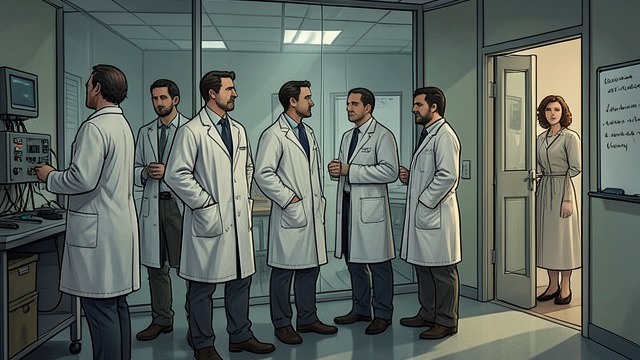
The Building Reclassified
A usable laboratory
Nazi officials value the house as a clean, bright facility suited to research. Its open spaces and modern fittings appear useful to a bureaucratic institution.
The authorities’ appropriation of its design is also an appropriation of the family’s property.
Admiration without understanding
The centre’s staff may praise the building while participating in the system that drove its owners away. Architectural appreciation does not prevent political complicity.
The Heritage Committee Arrives
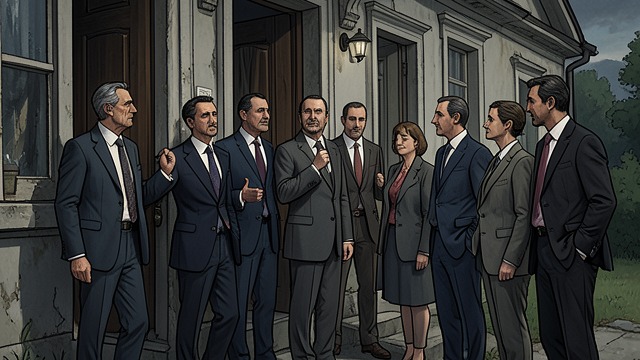
A Public Claim Emerges
Architectural recognition
A heritage committee identifies the former home as a significant modernist work and seeks to restore it as a museum. The building’s public importance becomes a subject of journalism and local politics.
Tomáš fears that the gym will lose a useful space for children.
The current occupants
Zdenka sees the room as a place of care and dance, not just a monument. Her experience challenges the assumption that preservation must mean removing present users.
A Museum and a Return
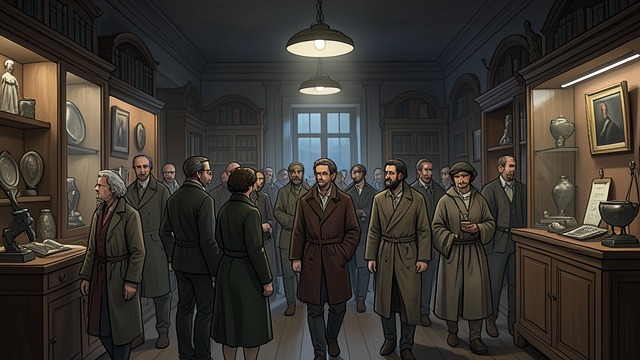
The Public Story Meets Private Memory
A guided presentation
The house is opened as a museum and toured by visitors who learn its history through architecture and displayed objects. The public narrative emphasizes design, ownership, and historical change.
Liesel and Ottilie bring memories that exceed what a guide can explain.
Unfinished ownership
The museum preserves the building but cannot restore the family’s former life or settle every question of rightful belonging. The house’s public reputation remains tied to private dispossession.
At the housewarming
After an article in the architectural review
After confiscation during the occupation
After the building becomes a hospital gymnasium
During the 1990 visit
